Policy part: Part C
Part C, Uninsured Motorists: Your Policy Stands In for the Driver Who Has None
When a driver with no insurance, or a hit-and-run driver, injures you, Part C pays what that driver should have paid, up to your own limits. Here is how the standard form defines it, and why state law changes this part more than any other.
By PolicyBrook Editorial Team Updated 5-minute read
Declarations
Part C uninsured motorists- What it pays
- Your injury damages
- Uninsured drivers (2023)
- 15.4%, IRC estimate
- Hit-and-run counts?
- Yes, if it hits you
- Arbitration
- Only if both agree
In brief
Part C pays the compensatory damages you could have recovered from the owner or driver of an uninsured motor vehicle for bodily injury, up to the uninsured motorists limits on your declarations page. It covers you and family members, anyone riding in your covered auto, and people entitled to damages because of their injuries. A vehicle counts as uninsured when it has no liability coverage, less than your state's minimum, an insurer that denies coverage or is insolvent, or when it is an unidentified hit-and-run vehicle. The Insurance Research Council estimated that 15.4% of motorists were uninsured in 2023.
The insuring agreement
This page follows the ISO personal auto policy, edition PP 00 01 01 05, as posted by Virginia's State Corporation Commission. Uninsured motorists coverage is shaped by state law more than any other part, so your own policy, its state endorsements and your state's statute decide.
Part C promises to pay "compensatory damages which an 'insured' is legally entitled to recover" from the owner or operator of an uninsured motor vehicle because of bodily injury caused by an accident. Two ideas sit in that phrase. First, the uninsured driver must be at fault under your state's law: Part C pays what a court would have made that driver pay you. Second, it pays compensatory damages only; punitive damages are excluded.
The base form covers bodily injury, not damage to your car; Part D handles that. A judgment you win against the other driver in a suit brought without the insurer's written consent does not bind the insurer on the amount.
Who is insured and what counts as uninsured
- You and any family member, subject to the exclusions below.
- Anyone else occupying your covered auto.
- Anyone entitled to damages because of injury to those people, such as a spouse or a family in a wrongful death claim.
An "uninsured motor vehicle" is a land motor vehicle or trailer that meets one of four tests in the form:
| Kind | What the form requires |
|---|---|
| No coverage | No bodily injury liability bond or policy applies at the time of the accident |
| Too little coverage | A policy applies, but its bodily injury limit is below the minimum of the state where your covered auto is mainly garaged |
| Hit-and-run | An unidentified driver or owner, and the vehicle hits you, a family member, a vehicle you occupy, or your covered auto |
| Denied or insolvent | A policy applies, but its insurer denies coverage or becomes insolvent |
Some vehicles never count as uninsured: a vehicle owned by or furnished for the regular use of you or a family member, a vehicle owned by a government unit, an off-road vehicle away from public roads, a vehicle on rails or crawler treads, one used as a residence, and one owned by a self-insurer that stays solvent.
The exclusions
- Your other cars. Injury while occupying, or when struck by, a vehicle you own that is not insured for this coverage under this policy.
- A family member's own car. Injury to a family member in a vehicle you own that another policy insures on a primary basis.
- Settling without consent. Injury for which the insured settles in a way that harms the insurer's right to recover.
- Livery use and no permission. Your covered auto used to carry people or goods for a fee, other than a car pool, and use of a vehicle without a reasonable belief you may.
- No benefit to other payers. The coverage cannot benefit a workers' compensation or disability benefits insurer, and punitive damages are not paid.
Limits, other insurance and arbitration
Like Part A, Part C has a per-person limit and an each-accident limit, which apply however many insureds, claims, cars or premiums are involved. Payment is not duplicated with Parts A or B, and the insurer does not pay any element of loss already paid by or for the person responsible, or payable under workers' compensation or disability benefits laws.
When several policies apply, the total you can collect is capped at the highest single applicable limit for any one vehicle. For a vehicle you do not own, your Part C is excess over other collectible primary coverage.
Disputes over fault or the amount of damages can go to arbitration, but only if both you and the insurer agree. Each side picks one arbitrator and those two pick a third; if they cannot agree within 30 days, a court can choose. Each side pays its own expenses and they split the third arbitrator's costs. An award binds both sides if it does not exceed the minimum bodily injury limit of the state where your covered auto is mainly garaged. If it is higher, either side may demand a trial within 60 days; otherwise the award stands. Questions about whether coverage applies at all cannot be arbitrated.
Worked example: hit by a driver with no insurance
Say your declarations page shows uninsured motorists limits of 50/100 and medical payments of $5,000. A driver with no insurance runs a red light and injures you. Your damages total $72,000: medical bills, lost pay and pain and suffering.
Part B has already paid $5,000 of the medical bills, and Part C will not pay those same bills again. That leaves $72,000 − $5,000 = $67,000 of damages for Part C, which pays its per-person limit of $50,000. You receive $5,000 + $50,000 = $55,000 from your policy, and $17,000 stays unpaid unless you recover it from the other driver directly.
The limits gap worksheet runs the same math with other limits.
Where state law changes Part C
States regulate this coverage closely, and the forms list on your declarations page shows whether a state endorsement changes Part C. PolicyBrook's state rules map sorts every state into three groups:
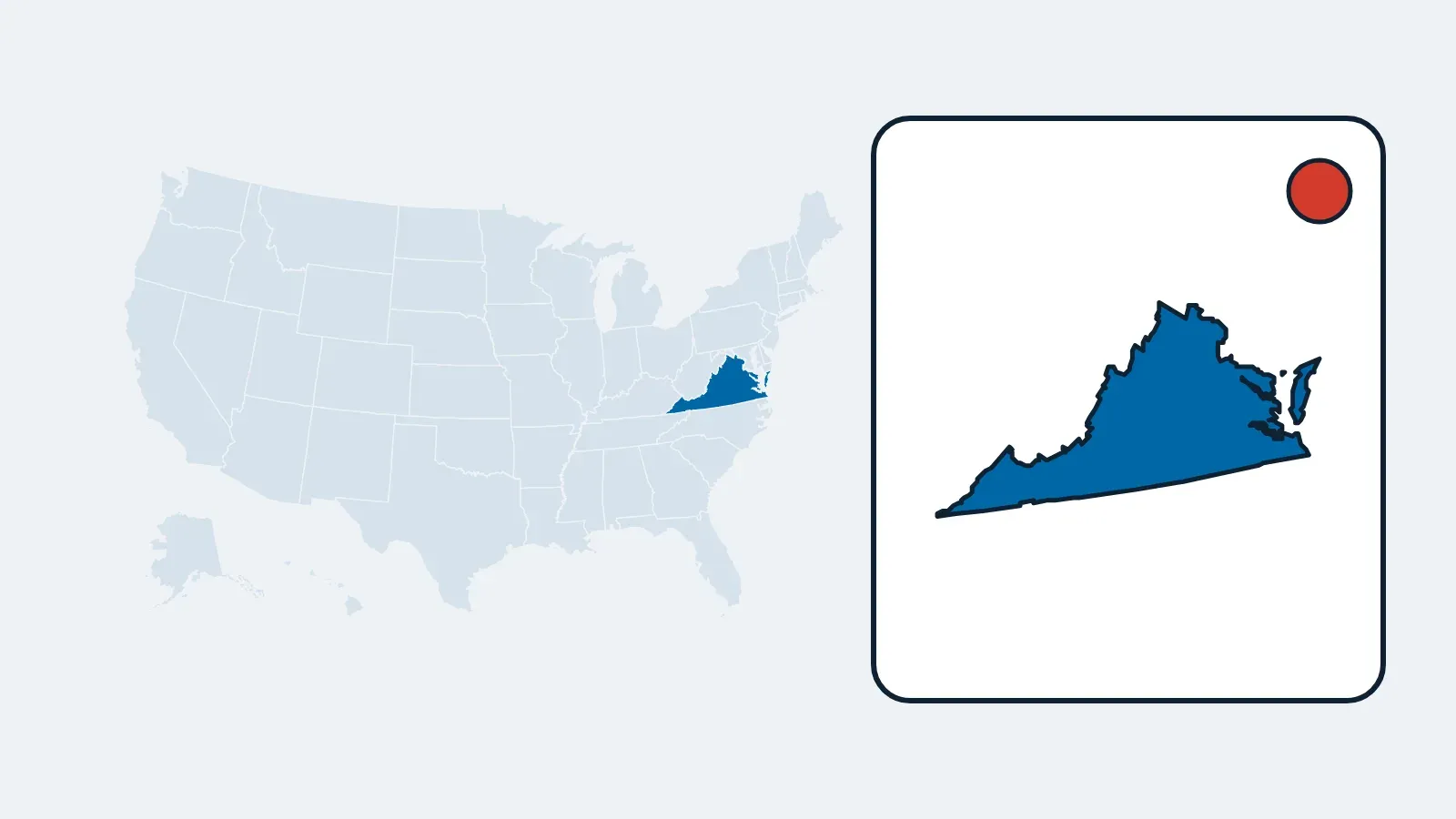
- Required. In Virginia, every policy must include uninsured and underinsured motorist coverage at least at the 50/100/25 minimums, with UIM limits equal to UM; you may reject only the amount above that floor.
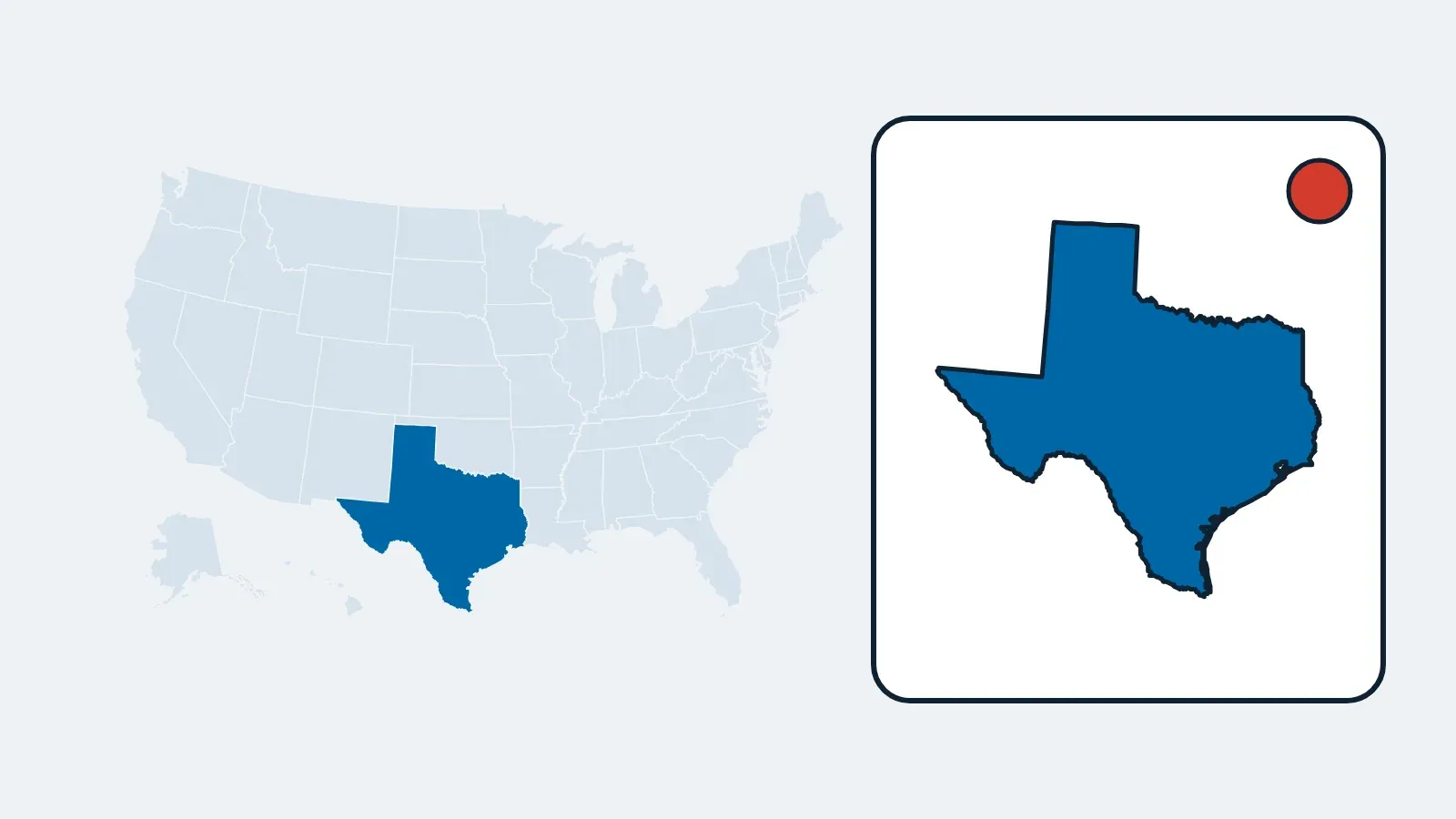
- Included unless rejected in writing. In Texas, UM/UIM comes with a new policy unless the named insured rejects it in writing, and the rejection carries forward.
- Optional. In Ohio and Michigan, the law does not require it. If your declarations page shows no uninsured motorists limit, Part C does not apply.
Policyholder questions
Does uninsured motorists coverage pay for damage to my car?
Not under the base Part C, which covers bodily injury. Damage to your car is paid by collision coverage under Part D, less your deductible.
Is a hit-and-run driver uninsured under my policy?
Yes, under the standard form, when the driver and owner cannot be identified and the vehicle hits you, a family member, a vehicle you are in, or your covered auto. Report a hit-and-run to the police promptly; the policy makes that a duty.
What if the other driver has only the state minimum?
Then the vehicle is not uninsured under the base form. Underinsured motorists coverage, a separate coverage on many policies, pays when the other driver's limits are too low for your damages.
Can I be forced into arbitration?
Not under the standard form. Arbitration happens only if both you and the insurer agree, and an award above your state's minimum limit can be taken to trial within 60 days.
Sources
- Virginia State Corporation Commission, Bureau of Insurance — ISO Personal Auto Policy, form PP 00 01 01 05 (Part C)
- Code of Virginia § 38.2-2206 — Uninsured and underinsured motorist coverage (2025 edition, via Justia)
- Texas Insurance Code, Chapter 1952 — Automobile insurance (UM/UIM and PIP)
- Ohio Revised Code 3937.18 — Uninsured and underinsured motorist coverage
- NAIC — A Consumer's Guide to Auto Insurance
- Insurance Information Institute — Facts and statistics: uninsured motorists (Insurance Research Council 2025 study)
Facts on this page were checked against these sources on November 15, 2026. The 15.4% figure is the Insurance Research Council's estimate for 2023, published in 2025; state rules come from PolicyBrook's state pages and the statutes listed.
Request policy quotes
Answer six questions about the policy you need. PolicyBrook passes the request to licensed insurance agents and insurers who can quote it; you compare and decide.
- The policy you need. Cars, drivers, coverage and ZIP.
- Your contact details and consent to be contacted.
- A licensed insurance agent or insurer contacts you with a quote. Nothing is bound until you sign and pay.
PolicyBrook is not paid by you. The licensed insurance agents and insurers who contact you set their own prices and terms. How we make money.
Related readings
-
State
Virginia
50/100/25 minimum since 2025; UM/UIM required; 45 days to cancel (15 for nonpayment) and 45 to nonrenew.
-
State
Texas
30/60/25 minimum; UM/UIM and PIP unless rejected in writing; 10 days to cancel, 60 to nonrenew.
-

Policy part
Medical payments (Part B)
Medical and funeral bills for you, family and passengers, per person, for services within 3 years.